

In the ever-evolving landscape of digital communication, new acronyms and abbreviations emerge constantly. Few have become as ubiquitous in casual conversations as “WTM.” Whether you’ve received this three-letter acronym in a text message or seen it across social media platforms, understanding its nuances can significantly enhance your digital communication skills. Let’s dive into the world of WTM and explore its meanings, usage contexts, and appropriate responses. As digital communication continues to advance, many users seek professional alternatives for jw usage to ensure clarity and professionalism in their messages. These alternatives can range from simplified expressions to more formal vocabulary tailored to different audiences. Embracing these changes can lead to more effective communication in both personal and professional settings. When exploring digital communication tools, it’s also important to understand the difference between pop up and popup notifications. These terms, while often used interchangeably, refer to different types of user interface elements that can impact user experience significantly. Users should familiarize themselves with the correct terminology to avoid confusion and enhance their interactions in various applications.
Table Of Content
- What Does “WTM” Mean in Text?
- Other Interpretations of WTM (Less Common)
- Why Do People Use “WTM”?
- Contextual Nuance: How Tone and Timing Shape Meaning
- 1. Casual Inquiry
- 2. Romantic Interest
- 3. Concern
- 4. Sarcasm or Judgment
- 14 Ideal Replies to “WTM” (Based on Context)
- Casual Responses
- Professional or Polite Alternatives
- Romantic or Flirty Replies
- Reflective or Chill
- Advanced Alternatives to Say Instead of “WTM”
- Professional Settings
- Casual Settings
- Polite or Respectful
- The Psychology of Using “WTM”
- Tone-Sensitive Replies: When to Use What
- WTM in Social Media and Gen Z Slang
- Common Mistakes When Responding to WTM
- Final Thoughts: Mastering WTM and Modern Text Etiquette
What Does “WTM” Mean in Text?
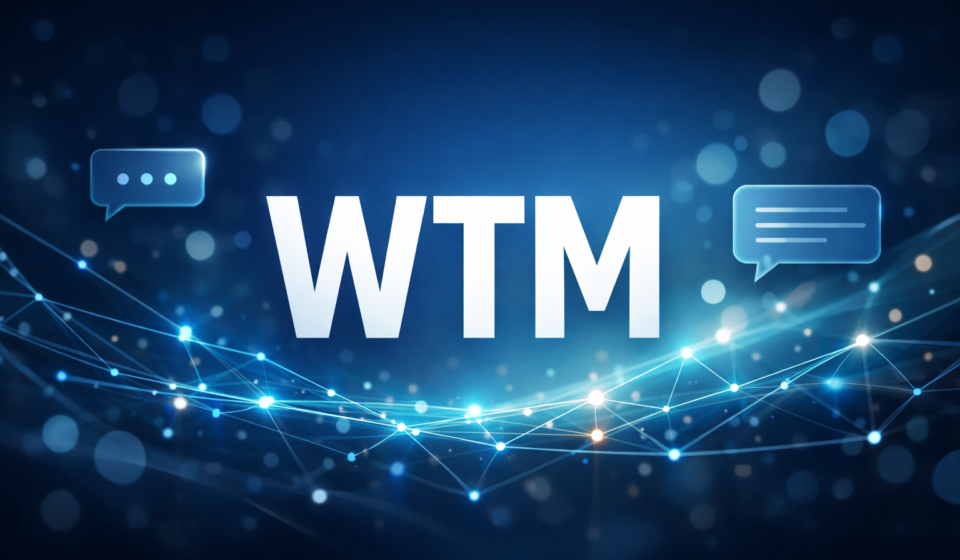
The acronym WTM most commonly stands for “What’s The Move?” or “What’s The Matter?” depending on the context. This versatile shorthand has become a staple in text messaging and social media communication, especially among younger generations.
When someone texts you “WTM,” they’re typically asking one of two things:
- What’s The Move? – Inquiring about plans, activities, or what’s happening next. This usage is particularly common in social settings and among friends making arrangements.
- What’s The Matter? – Expressing concern or checking in on someone’s emotional state. This interpretation is more common when there’s an indication that something might be wrong.
The meaning largely depends on the context of your conversation and your relationship with the sender. 💬
Other Interpretations of WTM (Less Common)
While the above definitions are the most widely recognized, WTM can occasionally have alternative meanings:
- Waste The Money – Used in financial discussions or when talking about spending
- Where’s The Money – A more direct inquiry about finances
- Wait Till Monday – A timing reference, though rarely used
- Whatever That Means – Expressing confusion or indifference
- White Text Message – A technical reference in some messaging apps
👉 Note: These alternative meanings are significantly less common in everyday texting and largely depend on very specific contexts.
Why Do People Use “WTM”?
Understanding why people opt for “WTM” can help you better interpret and respond to this acronym:
- Efficiency – Digital communication favors brevity; WTM saves time and typing effort
- Cultural Currency – Using current slang helps people feel connected to contemporary communication trends
- Casual Tone – Abbreviations generally set a more relaxed, informal tone
- Group Identity – Shared language patterns help establish belonging within social circles, especially among Gen Z
- Conversation Starter – “WTM” serves as an easy, low-pressure way to initiate interaction
Contextual Nuance: How Tone and Timing Shape Meaning
The true meaning of “WTM” often depends on subtle contextual factors. Here’s how to interpret the acronym based on different scenarios:
1. Casual Inquiry
When received during weekend evenings or social planning times, “WTM” typically means “What’s the move?” – a casual way of asking about plans.
Example:
Friend: “Hey WTM tonight?”
Context: Friday evening when people typically make social plans
2. Romantic Interest
When sent by someone you’re dating or interested in, especially during evening hours, “WTM” may carry flirtatious undertones and serve as an invitation to spend time together.
Example:
Crush: “WTM after work? 😊”
Context: Continuing a flirty conversation from earlier
3. Concern
If you’ve been quiet or expressed negative emotions recently, receiving “WTM” likely means “What’s the matter?” – showing concern for your well-being.
Example:
Friend: “You’ve been quiet today. WTM?”
Context: After you’ve been inactive in a group chat or posted something somber
4. Sarcasm or Judgment
Sometimes “WTM” can be used with a hint of judgment, especially when accompanied by punctuation like “WTM?!” or when sent after someone has made an unexpected decision.
Example:
Friend: “WTM with that outfit choice?!”
Context: After sharing a bold fashion decision
14 Ideal Replies to “WTM” (Based on Context)
How you respond to “WTM” should align with the context and your relationship with the sender. Here are tailored responses for different situations:
Casual Responses
- “Just chilling at home. You?”
- “Nothing much, open to suggestions!”
- “Thinking about grabbing dinner downtown. Want to join?”
- “Just finished work, need to decompress. Movie night?”
Professional or Polite Alternatives
- “I’m working on the Johnson project today. How can I help?”
- “Just wrapping up some tasks. Did you need something?”
- “I’m available for a call if you’d like to discuss something.”
- “Nothing urgent on my end. Is there something we need to address?”
Romantic or Flirty Replies
- “Hoping my evening includes you 😉 What did you have in mind?”
- “Nothing yet, but I’d love some company. Your place or mine?”
- “Dreaming about our last date. Ready for round two?”
Reflective or Chill
- “Just taking some me-time today. Rain check?”
- “Processing a tough day. Could use a distraction actually.”
- “Exploring some new music. Recommendations welcome!”
Advanced Alternatives to Say Instead of “WTM”
While “WTM” is convenient, sometimes a different phrase better suits your needs:
Professional Settings
- “What’s on your agenda today?”
- “How can I assist with your current projects?”
- “What priorities should we focus on?”
- “Is there anything requiring immediate attention?”
Casual Settings
- “What’s happening tonight?”
- “Any plans brewing?”
- “What are you up to?”
- “Anything fun going down?”
Polite or Respectful
- “How are you feeling today?”
- “Is everything alright?”
- “What’s on your mind?”
- “Would you like to talk about anything?”
The Psychology of Using “WTM”
The choice to use “WTM” often reveals interesting psychological aspects of digital communication:
Low-pressure initiation: “WTM” serves as a non-committal conversation starter that puts minimal pressure on both parties while opening communication channels.
Social belonging: Using current slang terms signals group membership and cultural awareness, particularly important in youth culture.
Ambiguity as protection: The dual meaning provides a buffer against rejection – if someone doesn’t respond positively to “What’s the move?”, the sender can pivot to “What’s the matter?” as a concern-based follow-up.
Economy of emotion: Brief acronyms allow people to connect without the vulnerability of more explicit emotional language.
Tone-Sensitive Replies: When to Use What
The appropriate response to “WTM” should match the emotional tenor of your relationship and conversation:
| Situation | Recommended Response Style | Example |
|---|---|---|
| Close friend, casual context | Direct, honest, playful | “Absolutely nothing. Save me from boredom!” |
| New acquaintance | Friendly but not overly familiar | “Just finished work. Open to suggestions if you’re planning something.” |
| Professional contact | Formal, precise | “I’m available to discuss the project if needed. Is there a specific concern?” |
| Romantic interest | Warm, suggestive | “Nothing that couldn’t be improved by your company 😊” |
WTM in Social Media and Gen Z Slang
On platforms like TikTok, Instagram, and Snapchat, “WTM” has evolved beyond its basic meanings to become part of a broader cultural lexicon:
✅ Platform-specific usage: On Snapchat, “WTM” frequently appears in group chats organizing meetups. On TikTok, it’s often used in comments to ask creators about their activities or emotional state.
✅ Hashtag culture: #WTM is used to tag content related to social gatherings, party planning, or emotional check-ins.
✅ Generational markers: Gen Z has embraced “WTM” as part of their distinctive communication style, often pairing it with other acronyms like “HMU” (hit me up) or “TBH” (to be honest).
✅ Visual companions: In 2026, “WTM” is frequently accompanied by specific emojis that further clarify intent: 🎮 (for gaming plans), 🍽️ (for food-related activities), or 😔 (for emotional support).
Common Mistakes When Responding to WTM
Even experienced texters sometimes mishandle “WTM” responses:
- Misreading the context: Responding to “What’s the matter?” when someone meant “What’s the move?” can create awkward moments
- Oversharing: Providing excessive details when a simple response would suffice
- Being too vague: Responding “nothing” closes the conversation rather than continuing it
- Mismatched formality: Using business language with friends or casual slang with professional contacts
- Delayed response: “WTM” often seeks real-time information; responding hours later defeats its purpose
Final Thoughts: Mastering WTM and Modern Text Etiquette
Understanding “WTM” is more than deciphering an acronym—it’s about navigating the nuanced world of digital communication in 2026. This versatile phrase serves as both a social connector and emotional check-in, reflecting our dual needs for both planning and empathy in online interactions. In this evolving landscape, understanding the fym acronym also becomes crucial, as it captures the urgency and immediacy that many digital conversations demand. As users strive for efficiency in their interactions, these acronyms help bridge gaps in communication, fostering a sense of familiarity and connection. Ultimately, both “WTM” and “fym” exemplify how language adapts to our social needs, enhancing the way we relate to one another in this fast-paced digital age.
The next time you see those three letters appear in your notifications, take a moment to consider the context, your relationship with the sender, and the most appropriate way to respond. Whether you choose to use “WTM” yourself or opt for alternatives, being fluent in this digital shorthand enhances your communication toolkit.
As texting language continues to evolve, staying current with expressions like “WTM” helps maintain meaningful connections across the digital divide. The most successful communicators understand not just the literal definitions of these acronyms but their cultural significance and emotional undertones as well. understanding the meaning of omy can enhance our comprehension of how sentiments are expressed in brief formats. This insight allows individuals to navigate complex conversations and feel more connected to others by recognizing the underlying emotions in their messages. By embracing these nuances, communicators can transform their interactions into richer, more empathetic exchanges.
What’s your move with “WTM” now? Perhaps it’s time to use this knowledge to navigate your digital conversations with greater confidence and clarity.