

The Evolution of Text Abbreviations in Digital Communication
In our fast-paced digital world, abbreviations have become the shorthand that keeps conversations flowing efficiently. Among these digital shortcuts, ‘SS’ stands out as particularly versatile and potentially confusing. Whether you’re texting friends or communicating with colleagues, understanding what ‘SS’ means can prevent misunderstandings and help you navigate digital conversations with confidence.
Table Of Content
- The Evolution of Text Abbreviations in Digital Communication
- What Does ‘SS’ Mean in Text?
- Other Possible Meanings of SS in Text-Based Communication
- Why You Should Be Careful with ‘SS’
- Alternatives to ‘SS’ (Polite, Professional, and Casual)
- How to Choose the Right Alternative Based on the Situation
- The Nuances of Tone: Respect, Clarity, and Intent
- When Not to Use ‘SS’
- 15 Excellent Example Replies or Sayings Instead of ‘SS’
- Enhancing Your Digital Communication Skills
- Final Thoughts: Let Clarity Lead the Conversation
Text abbreviations evolve constantly, reflecting our need to communicate quickly while maintaining clarity. The abbreviation ‘SS’ has gained significant traction in recent years, primarily as a request for visual evidence in conversations.
What Does ‘SS’ Mean in Text?
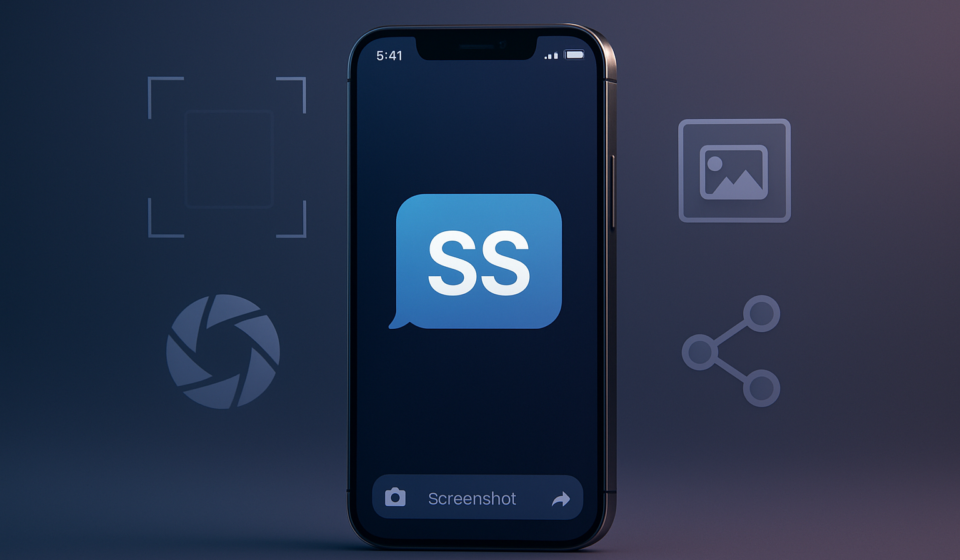
In the most common digital context, SS stands for Screenshot. This abbreviation typically appears when someone wants you to capture and share what’s on your screen. It has become an essential part of modern communication, allowing people to quickly request visual proof or information.
For example:
- “Can you send me an SS of the error message?”
- “SS that conversation and send it to me.”
- “I don’t believe you, SS or it didn’t happen!”
The popularity of this abbreviation has surged alongside the rise of visual-based communication platforms like Instagram, Snapchat, and TikTok, where screenshot evidence often serves as currency in digital conversations.
Other Possible Meanings of SS in Text-Based Communication
While ‘screenshot’ is the predominant meaning, ‘SS’ can have several other interpretations depending on context:
- So Sorry – “I’m SS I couldn’t make it to your party.”
- Short Story – “I’m writing an SS for my creative writing class.”
- Stay Safe – “Have a good night, SS!”
- Selfie Shot – “Check out this SS I took at the beach.”
- Same Stuff – “What’s new? SS, different day.”
Context is crucial when interpreting ‘SS’ in messages. Consider the conversation flow, the relationship with the sender, and the topic being discussed to determine the intended meaning.
Why You Should Be Careful with ‘SS’
Beyond its innocent modern uses, ‘SS’ carries historical weight that demands sensitivity. The abbreviation is infamously associated with the Schutzstaffel, the Nazi paramilitary organization responsible for numerous atrocities during World War II.
This historical association makes ‘SS’ potentially inappropriate in professional settings or when communicating with individuals who might be sensitive to historical references. The abbreviation could inadvertently cause offense or discomfort, particularly in international or multicultural communications.
Pro Tip: When in doubt about how your abbreviation might be received, it’s better to use a more explicit alternative that leaves no room for misinterpretation.
Alternatives to ‘SS’ (Polite, Professional, and Casual)
Given the potential sensitivities around ‘SS’, consider these alternatives:
Professional alternatives:
- “Please send a screenshot of the document.”
- “Could you capture that screen and share it?”
- “I need a screen capture of the error message.”
- “Please provide visual documentation of the issue.”
- “Would you mind sharing an image of your screen?”
Casual alternatives:
- “Screengrab that for me?”
- “Snap a pic of your screen.”
- “Send a cap of that convo.”
- “Screen it and send it my way!”
- “Let me see that screen!”
How to Choose the Right Alternative Based on the Situation
The appropriate alternative to ‘SS’ depends largely on your relationship with the recipient and the context of your communication:
With friends: Casual alternatives work well. You might even create your own abbreviation that becomes an inside reference in your circle.
With supervisors: Opt for professional, clear language. “Could you please send me a screenshot of the report?” shows respect while being unambiguous.
With clients: Always prioritize clarity and professionalism. “I would appreciate if you could share a capture of your screen showing the issue you’re experiencing” leaves no room for misinterpretation.
The Nuances of Tone: Respect, Clarity, and Intent
Consider how these two requests differ in tone:
Abrupt: “SS that now.”
Polite: “Would you mind sending me a screenshot of that when you have a moment?”
The second approach acknowledges the recipient’s time and agency, fostering better communication. In digital conversations where tone can be easily misinterpreted, erring on the side of politeness helps maintain positive relationships.
When Not to Use ‘SS’
Avoid using ‘SS’ in these specific scenarios:
- In professional emails or corporate communications
- When communicating with older generations who may not be familiar with modern text slang
- In international business contexts where abbreviations might be misinterpreted
- In sensitive discussions about history, politics, or identity
- When precision and clarity are absolutely essential
- In formal documentation or reports
15 Excellent Example Replies or Sayings Instead of ‘SS’
Ready-to-use alternatives for different contexts:
- “Could you capture that screen for me?”
- “I’d appreciate a screenshot when you have a moment.”
- “Mind grabbing that screen and sending it over?”
- “Can you send visual proof of that conversation?”
- “Would love to see a capture of what you’re looking at.”
- “Please snap your screen and share.”
- “Could you document that with a screenshot?”
- “Let me see what you’re seeing via screenshot.”
- “A quick screen capture would help me understand.”
- “Visual confirmation needed—screenshot please!”
- “Share your screen view when convenient.”
- “Need to see that—screenshot?”
- “Can you immortalize that screen moment?”
- “Evidence required: screenshot appreciated.”
- “Picture worth a thousand words—screenshot that!”
Enhancing Your Digital Communication Skills
Expert-level tips:
- Know your audience: Different generations and professional cultures have varying levels of comfort with abbreviations.
- Consider platform expectations: What’s appropriate on Instagram might not work in a LinkedIn message.
- Establish shared language: In teams, explicitly define abbreviations to ensure everyone interprets them the same way.
- When introducing a new abbreviation: Explain it the first time, then use it consistently.
- Match formality to context: The closer the relationship or more casual the platform, the more acceptable abbreviations become.
Pro Tip: When requesting screenshots in professional settings, specify exactly what you need to see (“Please send a screenshot showing the error message in the top-right corner”). This precision saves time and prevents confusion.
Final Thoughts: Let Clarity Lead the Conversation
While abbreviations like ‘SS’ serve an important function in streamlining digital communication, clarity should never be sacrificed for brevity. The potential for misinterpretation—whether due to multiple meanings or historical associations—makes ‘SS’ an abbreviation to use thoughtfully and sparingly.
As digital communication continues to evolve, so too will our shorthand. The most effective communicators remain adaptable, sensitive to context, and committed to understanding how their messages might be received. When in doubt, choose clarity over convenience, especially in professional or unfamiliar contexts.
By expanding your digital vocabulary beyond potentially problematic abbreviations like ‘SS’, you demonstrate both digital literacy and interpersonal sensitivity—skills increasingly valued in our connected world. The extra moment it takes to type “screenshot” instead of “SS” might save hours of potential misunderstandings and strengthen your digital relationships in the process.