

In our fast-paced digital world, communication has evolved dramatically. From lengthy letters to instant messages, we’ve developed a rich vocabulary of shortcuts that help us convey meanings quickly. Among these digital shorthands is the acronym ‘NTM’ – a simple three-letter abbreviation that carries nuanced meaning in text conversations. But what exactly does it signify, when should you use it, and when might an alternative serve you better? Let’s decode this digital expression together. Understanding the origins of the nth term can provide context for its usage, especially in different scenarios. As we delve deeper, we’ll explore variations of this abbreviation that may resonate more effectively with various audiences. Ultimately, choosing the right expression can enhance clarity and connection in our digital communications.
Table Of Content
- What Does NTM Stand For in Text?
- Is NTM Always Casual?
- Why Choosing the Right Tone Matters
- Relationship Development
- Clarity of Communication
- Professional Perception
- 13 Best Alternatives to ‘NTM’ (Not Too Much) Based on Tone and Context
- Casual Personal Messaging
- Semi-Formal Communication
- Formal Professional Communication
- When to Avoid Using ‘NTM’
- Tone Matters: A Quick Summary
- The Power of Expressive Simplicity
- Final Thoughts
What Does NTM Stand For in Text?
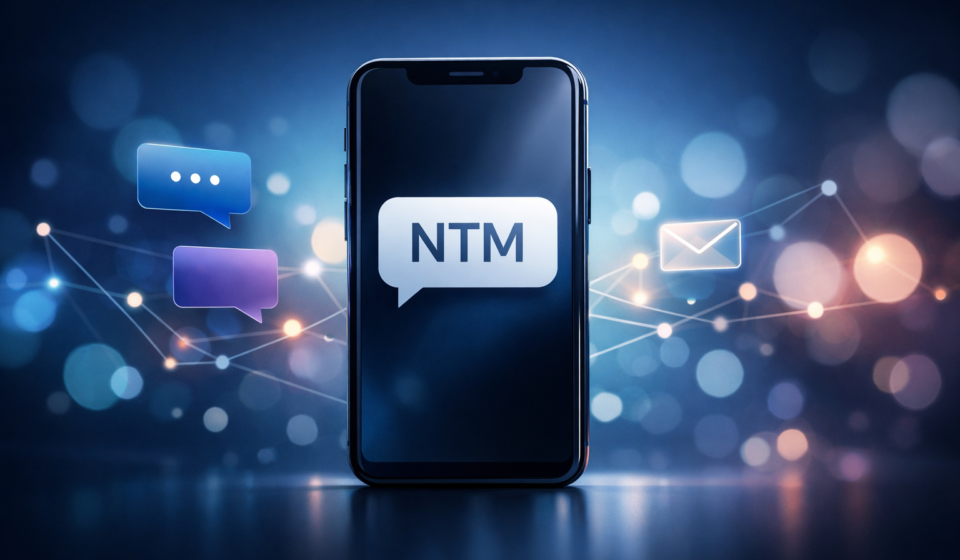
In the landscape of digital communication, NTM typically stands for “Not Too Much” – a casual response that indicates a moderate or limited amount of something.
NTM: An acronym used in text messaging and online communication meaning “Not Too Much,” generally indicating a neutral or moderate state when responding to inquiries about one’s situation, feelings, or activities.
When someone asks how you’re doing or what’s happening in your life, responding with “NTM” conveys that things are neither particularly exciting nor problematic – essentially, life is proceeding at a normal pace without significant events.
Here are some common scenarios where you might encounter the NTM acronym:
- 🗣️ Friend: “What’s been going on with you lately?”
Response: “NTM, just working and catching up on some shows.” - 📱 Colleague: “How busy are you this week?”
Response: “NTM, I could help with that project.” - 💬 Family member: “Are you stressed about the move?”
Response: “NTM, I’ve got most things under control.”
It’s worth noting that like many texting abbreviations, the meaning of NTM can sometimes vary by context or community. In certain specialized fields or communities, NTM might have alternative meanings, but in general digital communication, “Not Too Much” is the predominant interpretation.
Is NTM Always Casual?
Understanding the formality level of acronyms like NTM is crucial for effective communication. When we analyze the formality of NTM, we find that it sits firmly in the casual to very casual range of digital communication tone.
NTM is predominantly used in:
- 💬 Text messages between friends
- 📱 Social media comments and direct messages
- 🎮 Gaming chats and casual online forums
- 💌 Informal emails between close colleagues
The acronym rarely makes appearances in:
- 📄 Professional emails or correspondence
- 📝 Formal documentation or reports
- 🎓 Academic writing
- 💼 Business proposals or official communications
The informality of NTM stems from two key factors: its status as an acronym (which inherently leans casual) and its somewhat noncommittal, vague nature. When someone responds with “not too much,” they’re providing a convenient but not particularly detailed answer – a conversational approach that works well among friends but may come across as dismissive or overly casual in professional settings.
Why Choosing the Right Tone Matters
The tone we select in our communications has far-reaching effects beyond simply conveying information. In fact, research in communication studies suggests that tone can account for up to 55% of the message’s impact – sometimes even outweighing the actual words used.
When using acronyms like NTM or selecting alternatives to NTM, consider these potential impacts:
Relationship Development
The tone you choose helps establish and maintain specific types of relationships. Using casual acronyms like NTM with friends reinforces familiarity and comfort. However, using the same with a new business contact might create an impression of unprofessionalism or excessive casualness.
Clarity of Communication
Acronyms can sometimes create confusion, especially across generational or cultural lines. Not everyone is familiar with the latest texting abbreviations, and assuming knowledge of terms like NTM might lead to misunderstandings.
Professional Perception
In professional contexts, your communication style significantly influences how others perceive your competence and attention to detail. Overly casual language in formal settings can undermine your professional credibility, while appropriate formality signals respect for professional boundaries.
13 Best Alternatives to ‘NTM’ (Not Too Much) Based on Tone and Context
Depending on your audience and the context of your conversation, you might want to use alternatives that better match the required level of formality or that express your meaning more precisely. Here’s a comprehensive list of NTM alternatives categorized by communication context:
Casual Personal Messaging
- 🤷♂️ “Not a lot” – Simple, conversational alternative
- 😌 “Just the usual” – Implies routine activities
- 🙂 “Same old, same old” – Indicates consistency without much change
- 🌊 “Keeping it chill” – Modern slang indicating a relaxed state
Semi-Formal Communication
- 📊 “Things are moderate at the moment” – More descriptive and less abbreviated
- 📆 “I have a manageable schedule currently” – Provides more context about availability
- 💼 “Business as usual” – Professional yet approachable
- 🔄 “Maintaining a steady pace” – Indicates ongoing activity without overwhelm
Formal Professional Communication
- 📈 “I’m currently handling a standard workload” – Detailed and professional
- 🗓️ “My commitments are within normal parameters” – Formal assessment of availability
- 📋 “I have capacity for additional responsibilities” – Professionally indicates availability
- 📊 “My current projects are progressing as expected” – Status update with professional framing
- 🤝 “I’m operating at typical capacity at present” – Formal expression of workload
The key to selecting the right alternative is understanding your audience and the impression you wish to create. For close friends, the casual options maintain approachability. For professional contexts, the formal alternatives demonstrate attention to communication standards and respect for professional boundaries.
When to Avoid Using ‘NTM’
| Situation | Why Avoid NTM | Better Alternative |
|---|---|---|
| Job interviews | Appears too casual and potentially dismissive | “I’m maintaining a balanced workload currently” |
| Client communications | May seem unprofessional or confusing | “Things are proceeding at a standard pace” |
| Academic correspondence | Too informal for educational settings | “My research is advancing steadily” |
| Emotional conversations | Can seem dismissive of important feelings | “I’m doing okay, though not exceptionally well” |
| Cross-generational communication | Older generations may not understand the acronym | “Nothing significant to report” |
| International communication | May not translate culturally | “Everything is moderate and manageable” |
As this table illustrates, there are numerous situations where the Not Too Much acronym would be inappropriate or ineffective. Having alternative expressions ready allows you to navigate these scenarios with greater communicative success.
Tone Matters: A Quick Summary
| Expression Type | Formality Level | Ideal Context | Impression Created |
|---|---|---|---|
| Acronyms (NTM) | Very Casual | Friends, close colleagues, social media | Relaxed, familiar, potentially rushed |
| Casual phrases | Somewhat Casual | Friendly workplace chats, casual emails | Approachable, conversational |
| Semi-formal expressions | Moderately Formal | General workplace communication, networking | Professional yet accessible |
| Formal alternatives | Highly Formal | Executive communication, client meetings | Polished, detail-oriented, respectful |
This summary highlights how different expression types create varying impressions. When choosing between NTM and its alternatives, consider where your communication falls on this formality spectrum and select accordingly.
The Power of Expressive Simplicity
While acronyms like NTM offer convenience in casual communication, there’s a unique power in being more expressive even when keeping things simple. Consider these benefits of moving beyond basic acronyms in your digital communications:
Enhanced emotional clarity: Rather than the vague “NTM,” saying “I’m having a quiet but pleasant day” conveys both information and emotional tone.
Cultural inclusivity: Not everyone understands the latest texting abbreviations. More descriptive language ensures your meaning reaches across generational and cultural divides.
Relationship development: Taking the time to craft a more thoughtful response, even if still indicating that not much is happening, demonstrates investment in the conversation and relationship.
Communication skill development: Practicing more nuanced expressions enhances your overall communication abilities – a valuable skill in both personal and professional contexts.
The English language offers extraordinary depth for expressing nuance. While “Not Too Much” conveys a basic sentiment, having a repertoire of alternatives allows you to add color, precision, and appropriate formality to your digital conversations.
Final Thoughts
The acronym NTM represents more than just a convenient shorthand – it’s emblematic of how our communication evolves in the digital age. As we’ve explored, understanding NTM meaning in text is straightforward, but knowing when and how to use it (or its alternatives) requires nuanced awareness of context, audience, and communicative goals.
Digital communication continues to evolve at a remarkable pace, with new acronyms and expressions emerging regularly. The ability to navigate between informal shorthand like NTM and more formal expressions demonstrates communicative intelligence – knowing not just what to say, but how to say it appropriately for your audience. Understanding digital communication norms is essential for building rapport in both personal and professional interactions. As individuals become more adept at recognizing the subtleties of tone and context, they can tailor their messages for maximum impact. This skill not only enhances clarity but also fosters stronger connections across diverse platforms. Lowkey text communication examples can vary greatly depending on the context and audience, ranging from playful banter among friends to subtle cues in professional settings. Mastering these nuances allows for a more authentic connection, making conversations feel more personal. As digital interactions continue to transform, the ability to effectively use lowkey text communication examples becomes an invaluable asset in fostering relationships.
Whether you choose to use NTM in your casual conversations or opt for one of the alternatives we’ve discussed, remember that effective communication is ultimately about connection. The best choice is the one that helps you connect most effectively with your specific audience in your unique context.
As we move further into 2026 and beyond, the landscape of digital expression will undoubtedly continue to transform. By understanding the foundations of digital communication tone and context-appropriate language, you’ll be well-equipped to navigate whatever new acronyms and expressions emerge in our ever-evolving digital conversation. mastering ofc techniques for messaging will be essential for effectively conveying your ideas in both personal and professional contexts. As these techniques evolve, keeping pace with the latest trends will empower you to connect more authentically with your audience. Embracing these strategies will not only enhance your communication skills but also position you as a proactive participant in the digital dialogue. decoding ss in digital messaging is just one example of how language continues to evolve in the digital age. By staying informed on these shifts, you develop a deeper understanding of the nuances in communication, which can significantly enhance the clarity of your messages. This awareness will enable you to engage meaningfully with diverse audiences and adapt your approach to suit different contexts. effective phrases beyond let you know can help bridge gaps in understanding. Crafting messages with precision ensures that your intent is clear, reducing the chances of miscommunication. Furthermore, utilizing these expressions will enhance your ability to resonate with varied audience perspectives. understanding rls in everyday scenarios can provide insights into how certain phrases and abbreviations are interpreted across different cultures and demographics. This awareness not only empowers you to tailor your messages for clarity but also fosters a deeper connection with your audience. By incorporating these nuances into your communication strategy, you can navigate conversations more effectively, ensuring that your intentions are always understood.