

Introduction: The Evolution of Digital Communication Acronyms
In our fast-paced digital world, communication has evolved dramatically. What once required lengthy letters or phone calls now happens instantly through text messages, social media platforms, and messaging apps. With this evolution came the rise of acronyms and shorthand expressions that help us communicate more efficiently. From the classic “LOL” (laugh out loud) to “BRB” (be right back), these shorthand expressions have become integral to our digital conversations.
Table Of Content
- Introduction: The Evolution of Digital Communication Acronyms
- What Does “WSP” Mean in Text?
- Where Did WSP Originate?
- Tone and Context: Why It Matters
- 🛑 Avoid using “WSP” in these contexts
- Advanced Communication Insight: Beyond “WSP”
- 13 Classy Alternatives to “WSP” and How to Use Them
- 1. “How’s everything going?”
- 2. “Hey, what are you up to today?”
- 3. “How’s your day going?”
- 4. “What have you been working on lately?”
- 5. “Hi, how are things on your end?”
- 6. “Hope everything is going well—wanted to say hi!”
- 7. “Any fun plans this week?”
- 8. “Just checking in to see how you’re doing.”
- 9. “Hello! What’s new with you?”
- 10. “What’s going on in your world?”
- 11. “Been a while—how have you been?”
- 12. “Hi! Just wanted to reach out and say hello.”
- 13. “Hey there! Anything exciting happening lately?”
- How to Choose the Right Alternative
- What Does “WPS” Mean?
- 1. “Wi-Fi Protected Setup”
- 2. “With Prayers Said”
- Why Alternatives to WSP Matter
- ✅ Final Thoughts
Among these numerous acronyms, “WSP” has found its place in casual digital exchanges. As digital communication continues to blur the lines between personal and professional interactions, understanding these acronyms—and knowing when to use them—becomes increasingly important. This comprehensive guide explores what WSP means, its origins, and most importantly, how to navigate its usage in different contexts.
What Does “WSP” Mean in Text?
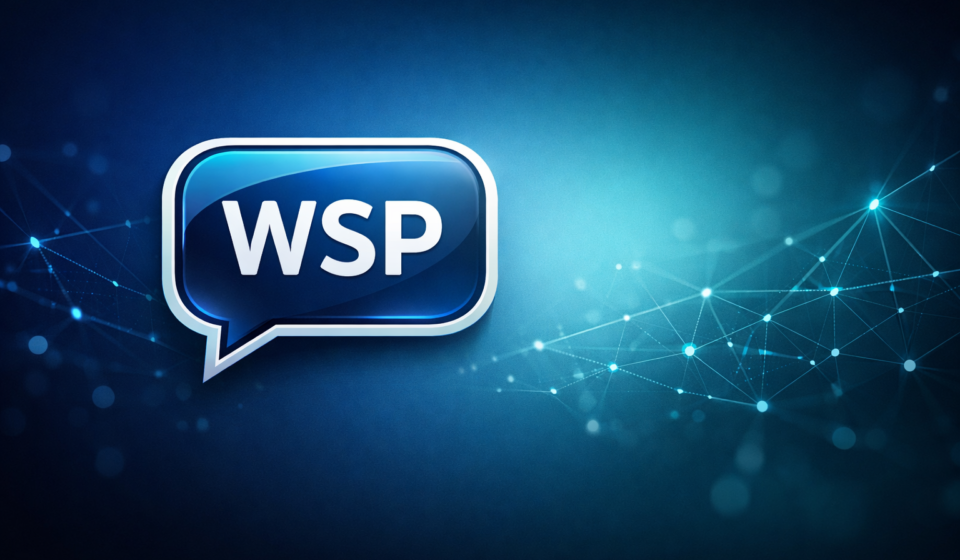
“WSP” is a common texting acronym that stands for “What’s up?” It’s essentially a casual greeting or conversation starter used primarily in informal digital communication. The acronym serves as a shortened version of the already brief phrase, allowing for even faster typing and response times.
This acronym is typically used to:
- Initiate a conversation
- Check in on someone
- Ask what someone is currently doing
- Express general interest in catching up
In practice, “WSP” functions much like its spelled-out counterpart. When someone texts you “WSP,” they’re essentially asking, “What are you doing?” or “How are you?” in a very casual, abbreviated manner.
Where Did WSP Originate?
Like many text acronyms, the exact origin of “WSP” is difficult to pinpoint. However, it emerged during the early 2000s as text messaging became increasingly popular. With the character limits and sometimes per-message charges of early SMS, users naturally sought ways to communicate more efficiently.
“What’s up” itself has been a common American greeting since at least the 1950s, but its transformation into the acronym “WSP” coincided with several technological and social developments:
- The rise of SMS texting in the early 2000s
- The character limitations of early messaging platforms
- The development of internet chat rooms and instant messaging
- The adoption of texting language among younger generations
By the mid-2010s, with the widespread adoption of smartphones and unlimited texting plans, the practical necessity for such abbreviations diminished. However, by then, “WSP” and similar acronyms had become embedded in digital communication culture, particularly among younger users.
Tone and Context: Why It Matters
Understanding when to use “WSP” requires an appreciation for both tone and context in digital communication. While seemingly straightforward, this simple acronym carries implicit messages about formality, relationship dynamics, and communication intent.
“WSP” generally conveys a casual, friendly, and relaxed tone. By using it, you signal to the recipient that you’re approaching the conversation informally. This can be perfectly appropriate in many contexts, but potentially problematic in others.
The appropriate usage depends largely on:
- Relationship context: The nature of your relationship with the recipient
- Situational context: The purpose and setting of your communication
- Age and generational factors: Different age groups have varying familiarity with and acceptance of such acronyms
- Professional boundaries: The expectations and norms within your workplace or industry
Understanding these contextual elements helps you determine whether “WSP” is appropriate or if you should opt for a more formal alternative.
🛑 Avoid using “WSP” in these contexts
While “WSP” has its place in casual digital communication, there are numerous situations where using this acronym could be inappropriate or even detrimental. Being aware of these contexts will help you maintain professionalism and effective communication.
- Professional emails or messages to colleagues – Using casual acronyms can undermine your professional image
- Communication with supervisors or executives – Maintains appropriate respect for hierarchical relationships
- Client or customer interactions – Projects a professional company image
- Job applications or follow-up messages – First impressions matter in professional contexts
- Academic communications with professors – Educational contexts typically require formal communication
- Business networking platforms like LinkedIn – These are professional spaces where formal language is expected
- Formal requests or inquiries – When asking for something important, clarity and formality help
- Messages to people you don’t know well – Avoid presuming familiarity
- Intergenerational communication – Older adults may not understand or appreciate text acronyms
- International business communication – Slang and acronyms often don’t translate well
Using more formal language in these contexts demonstrates respect, professionalism, and attention to detail—qualities that can significantly impact how others perceive you.
Advanced Communication Insight: Beyond “WSP”
Digital communication experts emphasize that effective messaging isn’t just about what you say, but how you say it. The acronyms and phrases you choose reflect your communication style, attention to detail, and interpersonal awareness.
Research in digital communication psychology suggests that people form impressions based on writing style, even in brief digital exchanges. A study from the Journal of Computer-Mediated Communication found that more formal, grammatically correct messages were associated with higher perceived competence and trustworthiness.
Furthermore, the ability to adapt your communication style based on context—known as code-switching—is increasingly recognized as a valuable professional skill. This means knowing when casual acronyms like “WSP” are appropriate and when more formal language would better serve your communication goals.
Understanding these nuances allows you to navigate the complex landscape of digital communication more effectively, making intentional choices rather than defaulting to habits that might not serve your broader objectives.
13 Classy Alternatives to “WSP” and How to Use Them
When “WSP” isn’t appropriate for your communication context, numerous alternatives can help you achieve the same goal while maintaining the right tone. Here are thirteen refined options with guidance on their effective use:
1. “How’s everything going?”
This friendly yet professional greeting works well in both casual and semi-formal contexts. It expresses genuine interest without being overly familiar.
Example: “Hi Sarah, how’s everything going with the project we discussed last week?”
2. “Hey, what are you up to today?”
Slightly more casual but still appropriate for most friendly professional relationships. This shows interest in the person’s current activities without the abbreviated feel of “WSP.”
Example: “Hey David, what are you up to today? I was hoping we could discuss the marketing presentation.”
3. “How’s your day going?”
This warm, approachable greeting works well with colleagues you interact with regularly. It acknowledges the human element without being too informal.
Example: “Hi Jessica, how’s your day going? Do you have a moment to chat about the client feedback?”
4. “What have you been working on lately?”
Perfect for professional connections you haven’t spoken with in a while. It shows interest in their professional activities rather than just making small talk.
Example: “Hello Miguel, what have you been working on lately? I’d love to hear about your current projects.”
5. “Hi, how are things on your end?”
This balanced greeting works well in ongoing professional conversations, acknowledging that you’re checking in while maintaining professional boundaries.
Example: “Hi Taylor, how are things on your end? Just following up on our discussion from Monday.”
6. “Hope everything is going well—wanted to say hi!”
A friendly, low-pressure way to reconnect with professional contacts you haven’t communicated with recently.
Example: “Hello Raj, hope everything is going well—wanted to say hi! It’s been a few weeks since our last conversation.”
7. “Any fun plans this week?”
This works well with colleagues you have a more personal relationship with, showing interest in their life outside work while still being appropriate.
Example: “Hi Emma, any fun plans this week? I’m looking forward to that hiking trip we discussed.”
8. “Just checking in to see how you’re doing.”
A thoughtful opener that works well for both personal and professional relationships, especially after a significant event or during challenging times.
Example: “Hello Chris, just checking in to see how you’re doing after the big product launch last week.”
9. “Hello! What’s new with you?”
A friendly, open-ended question that invites the other person to share what they consider important or interesting.
Example: “Hello Sophia! What’s new with you? I’d love to hear about your recent conference presentation.”
10. “What’s going on in your world?”
Slightly more casual but still professional enough for most workplace relationships. Shows genuine interest in the other person’s experiences.
Example: “Hi Jordan, what’s going on in your world these days? Still working on that interesting analytics project?”
11. “Been a while—how have you been?”
Perfect for reconnecting with professional contacts after a longer absence of communication.
Example: “Hello Dr. Williams, been a while—how have you been? I’ve been thinking about our last conversation about research methods.”
12. “Hi! Just wanted to reach out and say hello.”
A simple, friendly opener that works well for maintaining professional relationships without a specific agenda.
Example: “Hi Olivia! Just wanted to reach out and say hello. Our team misses having you in the weekly meetings.”
13. “Hey there! Anything exciting happening lately?”
A positive, engaging greeting that invites the other person to share noteworthy developments in their professional or personal life.
Example: “Hey there, Marcus! Anything exciting happening lately with your new role? I’d love to hear how it’s going.”
How to Choose the Right Alternative
| Factor | Go With |
|---|---|
| Formal business communication | “How are things on your end?” or “I hope you’re doing well.” |
| Reaching out to a superior | “Hello [Name], I hope you’re having a good week.” |
| Checking in with a colleague | “How’s your day going?” or “What have you been working on lately?” |
| Reconnecting after time | “Been a while—how have you been?” or “It’s been some time since we last spoke.” |
| Initiating a friendly but professional conversation | “Hey there, how are things?” or “Hope everything is going well—wanted to say hi!” |
| International communication | “Hello, I hope you’re doing well” (avoid idioms and colloquialisms) |
| First-time professional contact | “Hello [Name], I’m reaching out regarding…” (clear purpose statement) |
What Does “WPS” Mean?
While discussing “WSP,” it’s worth noting that “WPS” is a different acronym altogether that appears in both technical and social contexts. Understanding the distinction can help prevent communication confusion.
1. “Wi-Fi Protected Setup”
In technical contexts, “WPS” most commonly refers to Wi-Fi Protected Setup, a network security standard that aims to make connections between a router and wireless devices easier and more secure.
This is the most widely recognized meaning of WPS in technical and consumer electronics contexts. If you see WPS on your router or in network settings, it refers to this security protocol. It typically involves pressing a physical button on your router or entering a PIN to establish a secure connection.
2. “With Prayers Said”
In personal or social media messaging, “WPS” sometimes appears as an expression of sympathy or support, standing for “With Prayers Said.” This usage is much less common than the technical meaning but may appear in messages of condolence or support.
Example: “Thinking of your family during this difficult time. WPS.”
It’s important to note that unlike “WSP,” which is widely recognized as “What’s up?” in texting contexts, “WPS” is not commonly used as a conversational acronym. If you encounter it in a message, it’s more likely to be a typo of “WSP” or referring to one of the specific definitions above.
Why Alternatives to WSP Matter
The way we communicate shapes how others perceive us. This is particularly true in digital communication, where text alone must convey tone, intent, and professional presence. Using alternatives to casual acronyms like “WSP” in appropriate contexts offers several significant benefits:
- Enhanced professional reputation – Your communication style directly influences how colleagues and superiors view your professionalism
- Clearer communication – Full phrases reduce the risk of misunderstanding, especially across generational or cultural lines
- Demonstrated communication adaptability – The ability to adjust your communication style based on context is increasingly valued in professional environments
- Greater inclusivity – Not everyone understands text acronyms; using more universal language ensures your message reaches everyone as intended
- Relationship development – More thoughtful greetings can help establish stronger professional relationships
Developing the discernment to know when to use casual language versus more formal alternatives is a valuable professional skill. It demonstrates emotional intelligence and communication savvy that can set you apart in workplace and networking contexts.
✅ Final Thoughts
Digital communication continues to evolve, with new acronyms and shorthand expressions emerging regularly. Understanding terms like “WSP” and knowing when to use them—or when to opt for alternatives—is an increasingly important aspect of communication literacy in our connected world.
The most effective communicators are those who can adapt their style to match the context. This means being conversant with casual expressions like “WSP” while also maintaining a repertoire of more formal alternatives for professional situations.
Remember these key takeaways:
- “WSP” means “What’s up?” and is primarily appropriate for casual, personal communication
- Context matters—consider your relationship with the recipient and the purpose of your message
- Professional situations generally call for more formal alternatives
- Having a variety of greeting options allows you to communicate effectively across different contexts
- Digital communication skills, including knowing when to use acronyms, are increasingly important in professional settings
By understanding both the casual shortcuts of digital communication and their more formal alternatives, you can navigate social and professional interactions with confidence, ensuring your message comes across exactly as you intend—regardless of the medium or context.