

BBW in Digital Communication: Understanding Meaning, Ensuring Respectful Usage in 2026

What Does BBW Stand for in Text?
In digital communication, BBW is an acronym that stands for Big Beautiful Woman. This term emerged in the late 1970s and gained widespread recognition in online spaces during the early 2000s. It’s primarily used to describe plus-sized women in a way that embraces and celebrates their body type rather than using language that might be considered derogatory or clinical.
Table Of Content
- What Does BBW Stand for in Text?
- Common Platforms Where ‘BBW’ Appears
- Understanding the Nuance and Tone of ‘BBW’
- Positive Usage
- Potentially Problematic Usage
- Why You Might Want to Use Alternatives to ‘BBW’
- Polite and Professional Alternatives to ‘BBW’
- Casual Alternatives to ‘BBW’ in Texting
- Formal and Respectful Replacements for ‘BBW’ in Writing
- How to Choose the Best Alternative Based on Context
- 15 Examples of Replies or Sayings with Alternatives to ‘BBW’
- Final Thoughts: Communicating with Respect and Confidence
The term represents an intersection of identity and description that has evolved alongside changing societal attitudes toward body diversity and inclusion. Originally coined by Carole Shaw in 1979 when she launched BBW Magazine, the acronym was intended to promote positive body image among plus-sized women at a time when mainstream media offered little representation.
In today’s digital landscape, BBW appears across various platforms and contexts:
- Dating profiles and apps where users might specify preferences or describe themselves
- Social media hashtags related to body positivity movements
- Online forums and communities centered around plus-size fashion and lifestyle
- Content creation platforms where creators might use the term for searchability
It’s important to note that while the original intent behind BBW was positive and empowering, the reception and perception of the term can vary widely among individuals who might be described by it.
Common Platforms Where ‘BBW’ Appears
Understanding where you might encounter the acronym BBW helps provide context for its usage and meaning:
- Dating Applications: Apps like Tinder, Bumble, and specialized dating sites often feature BBW as a descriptor or category.
- Social Media: Instagram, TikTok, and Twitter use #BBW as a discovery hashtag for content celebrating plus-size beauty and fashion.
- Forums: Reddit communities and specialized forums may have sections dedicated to BBW-related discussions.
- Messaging: In private communications, the term might be used as shorthand when discussing preferences or descriptions.
- Fashion Websites: Some plus-size clothing retailers have embraced or referenced the term in their marketing.
The prevalence of this acronym across these diverse platforms demonstrates how deeply embedded it has become in certain online conversations about body image and attraction.
Understanding the Nuance and Tone of ‘BBW’
The context and intention behind using BBW significantly impact how the term is received. Understanding these nuances is essential for respectful communication.
Positive Usage
When used positively, BBW can be:
- Empowering: Many women embrace the term as a celebration of their body type, using it proudly in self-description.
- Community-Building: The acronym has helped create spaces where plus-sized individuals can connect, share experiences, and support each other.
- Visibility-Enhancing: By using specific terminology, advocates have created searchable content that increases representation of diverse body types.
- Preference-Stating: When used respectfully, the term allows people to express attraction to plus-sized women without objectification.
For example, a fashion influencer might use #BBW to help plus-sized followers find content relevant to their interests, or a dating profile might include the term to clearly communicate physical preferences in a straightforward manner.
Potentially Problematic Usage
However, the term can become problematic when:
- Reducing to Physical Attributes: Using BBW can sometimes reduce a person to just their body size, overlooking other aspects of their identity.
- Fetishization: In certain contexts, particularly in adult content categorization, the term has been associated with fetishizing plus-sized women.
- Unwelcome Labeling: Applying this descriptor to someone who hasn’t chosen it for themselves can feel presumptuous or invasive.
- Ambiguity: The subjective nature of what constitutes “big” or “beautiful” creates ambiguity that can lead to misunderstandings.
These potentially problematic aspects highlight why many people seek alternatives that might be more universally acceptable or precise in their meaning.
Why You Might Want to Use Alternatives to ‘BBW’
There are several compelling reasons to consider alternatives to using BBW in your digital communications:
Professionalism: In professional contexts, using acronyms related to physical appearance is generally inappropriate and unprofessional. Business communications require more formal language.
Personal preference: Many plus-sized individuals may not identify with or appreciate the label BBW, preferring other terms to describe themselves or no body-specific descriptors at all.
Clarity: Acronyms can be misinterpreted or unknown to some people in your audience, potentially causing confusion or miscommunication.
Evolving language: As language around body image and inclusivity evolves, newer terminology may better reflect current values and perspectives.
Avoiding potential offense: Without knowing someone’s personal relationship with terms describing their body, using neutral or generally accepted language minimizes the risk of causing discomfort.
Context appropriateness: What’s acceptable in one setting (like a dating app) may be inappropriate in another (like a work email or family group chat).
Being mindful of these considerations demonstrates respect for others and awareness of how language impacts our interactions in digital spaces.
Polite and Professional Alternatives to ‘BBW’
When communicating in professional settings or contexts where more formal language is appropriate, these alternatives offer respectful ways to reference body size when relevant:
- Plus-Size: Widely used in fashion and retail industries, this term is generally accepted in professional contexts.
- Full-Figured: A classic term that conveys body shape without specific size implications.
- Curvy: Emphasizes body shape rather than size, though it’s slightly less formal than other options.
- Larger-Bodied: A neutral descriptive term used increasingly in healthcare and professional settings.
- Woman of Size: Person-first language that acknowledges the individual before their physical characteristics.
In professional contexts, it’s worth considering whether referencing body size is necessary at all. Unless directly relevant to the topic at hand (such as in fashion, healthcare, or accessibility discussions), omitting physical descriptors entirely is often the most professional approach.
Casual Alternatives to ‘BBW’ in Texting
For informal conversations and social media where body-positive language is appropriate but you want alternatives to BBW, consider these options:
- Stunner: Focuses on overall impact rather than specific physical attributes.
- Gorgeous: Celebrates beauty without reference to size.
- Queen: Acknowledges someone’s confidence and presence.
- Fabulous: Celebrates someone’s overall vibe and style.
- Radiant: Focuses on someone’s energy and presence rather than physical attributes.
- Icon: Celebrates someone’s standout qualities without body references.
- Slay: Acknowledges someone’s confidence and style regardless of body type.
These alternatives shift focus from specific body attributes to celebrating the person as a whole, which can be more inclusive and widely appreciated in casual digital communications.
For example, instead of “She’s a BBW model,” you might say “She’s a stunning model who’s breaking barriers in the fashion industry.” This acknowledges accomplishments without categorizing based solely on physical appearance.
Formal and Respectful Replacements for ‘BBW’ in Writing
For formal writing, such as articles, academic papers, or professional communications, these alternatives provide precise and respectful language:
- Woman with a larger body: Person-first language that’s becoming standard in formal writing.
- Woman of diverse body size: Inclusive language that acknowledges body diversity.
- Plus-size individual: A neutral term widely accepted in formal contexts.
- Person with a higher body weight: Objective language suitable for healthcare or research contexts.
- Larger-bodied person: Descriptive without judgment, appropriate for formal discussions.
When writing formally, it’s important to consider whether physical descriptions are relevant to the subject matter. In many cases, focusing on a person’s achievements, ideas, or contributions rather than their physical appearance creates more meaningful and respectful content.
Additionally, allowing people to self-identify is always preferable when possible. If quoting or referencing someone who uses specific terminology to describe themselves, respecting their chosen language demonstrates both accuracy and respect.
How to Choose the Best Alternative Based on Context
Selecting the most appropriate alternative to BBW depends on several important contextual factors:
Relationship Dynamic:
- Close Friends: More casual, playful language might be appropriate if already established as acceptable.
- Professional Contacts: Neutral, formal terminology or no physical descriptors at all.
- New Acquaintances: Err on the side of caution with universally respectful language until you understand their preferences.
Communication Platform:
- Professional Email: Formal alternatives or no physical descriptors.
- Social Media: Platform-appropriate language that aligns with the community norms.
- Dating Apps: More direct language may be expected, but still prioritize respect.
- Text Messages: Match the established tone of your relationship.
Intent of Communication:
- Compliment: Focus on specific qualities rather than generalizations about body type.
- Description: Use objective, neutral language when physical description is necessary.
- Discussion of Preferences: Be thoughtful about how your language might be received.
The golden rule is to prioritize how the person being described would feel about the language used. When in doubt, more neutral terminology or omitting physical descriptors entirely is often the safest approach.
15 Examples of Replies or Sayings with Alternatives to ‘BBW’
These examples demonstrate how to communicate effectively while using alternatives to BBW in various contexts:
- “The fashion industry is finally embracing diverse body types in runway shows.” (Professional context)
- “She’s a stunning model who’s changing beauty standards.” (Casual compliment)
- “I’m interested in dating curvy women who share my interests in art and travel.” (Dating profile)
- “The store specializes in clothing for plus-size shoppers with sophisticated taste.” (Retail description)
- “As a full-figured woman, I’ve learned which styles complement my shape best.” (Self-description)
- “The conference will address healthcare concerns specific to larger-bodied individuals.” (Medical context)
- “She’s such a queen in that outfit—absolutely fabulous!” (Casual social media comment)
- “The research focused on clothing preferences among women who wear size 14 and above.” (Academic context)
- “You look absolutely radiant in that dress!” (Compliment)
- “The brand is committed to serving customers of all sizes.” (Business communication)
- “She’s a confident, stylish woman who inspires me.” (Personal admiration)
- “The survey included responses from individuals across the body size spectrum.” (Research context)
- “You’re slaying that look—where did you get that jacket?” (Casual friendship text)
- “The article features diverse models showcasing the new collection.” (Media description)
- “I admire her confidence as a body-positive advocate in the fashion industry.” (Commentary)
These examples show how shifting language can maintain the intended meaning while using more widely accepted terminology appropriate to different situations.
Final Thoughts: Communicating with Respect and Confidence
Navigating language around body size and appearance requires thoughtfulness in our increasingly digital world. While BBW emerged as an attempt to create positive language for plus-sized women, understanding its reception and context helps us communicate more effectively with everyone we encounter online.
Key takeaways for respectful digital communication include:
- Consider your audience: What works in one context may not be appropriate in another.
- Respect self-identification: When someone uses specific language to describe themselves, that’s usually your best guide for how to refer to them.
- Focus on the whole person: Avoid reducing individuals to physical characteristics whenever possible.
- Stay current: Language evolves, and terms that were once considered positive may shift in meaning or acceptance over time.
- When in doubt, ask: If you’re unsure about appropriate terminology in a specific relationship, a respectful question is better than an assumption.
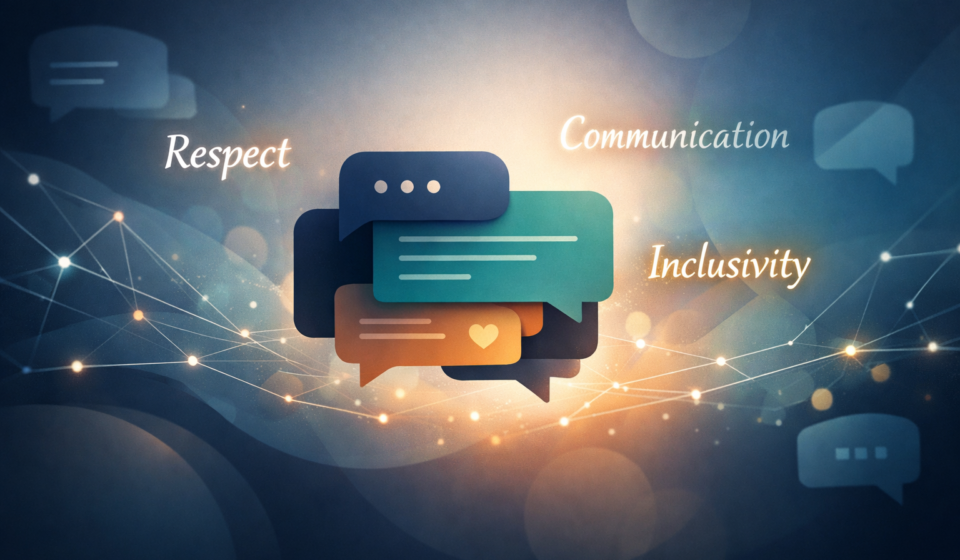
The most important aspect of communication isn’t just the words we choose, but the respect and consideration behind them. By approaching digital conversations with awareness of how our language might impact others, we create more inclusive and positive online spaces for everyone.
As we move through 2026 and beyond, our digital vocabulary will continue to evolve alongside changing cultural attitudes about body diversity and inclusion. Staying informed, adaptable, and respectful ensures our communication remains both effective and considerate across all platforms and relationships.